
Designing a Sustainable Future: Where Innovation Meets Responsibility
Sustainability is no longer a buzzword—it’s a mandate. As environmental concerns rise, the fusion of design and technology plays a pivotal role in shaping a more sustainable world. Designers, developers, and engineers must collaborate to create systems that are efficient, ethical, and enduring.
Technology’s Role in Driving Sustainable Design
Tech-driven innovation is accelerating sustainability in design. From materials selection to energy-efficient systems, modern technology empowers designers to make more conscious choices.
- Smart Materials: Innovations like self-healing concrete or biodegradable plastics open new possibilities for sustainable product and architectural design.
- IoT Integration: Smart devices optimize energy usage in homes and offices, reducing carbon footprints.
- Digital Twins: Simulations help predict and minimize environmental impact before anything is built.
Comparing Sustainable vs. Traditional Design Approaches
| Design Element | Traditional Design | Sustainable Design |
|---|---|---|
| Materials | Non-renewable, often toxic | Recycled, biodegradable, non-toxic |
| Energy Use | High consumption | Energy-efficient, often renewable-powered |
| Lifecycle Thinking | Rarely considered | Emphasized from design to disposal |
| Cost Focus | Low upfront costs | Long-term savings and efficiency |
| User Impact | Indirect or ignored | Centered on wellness and experience |
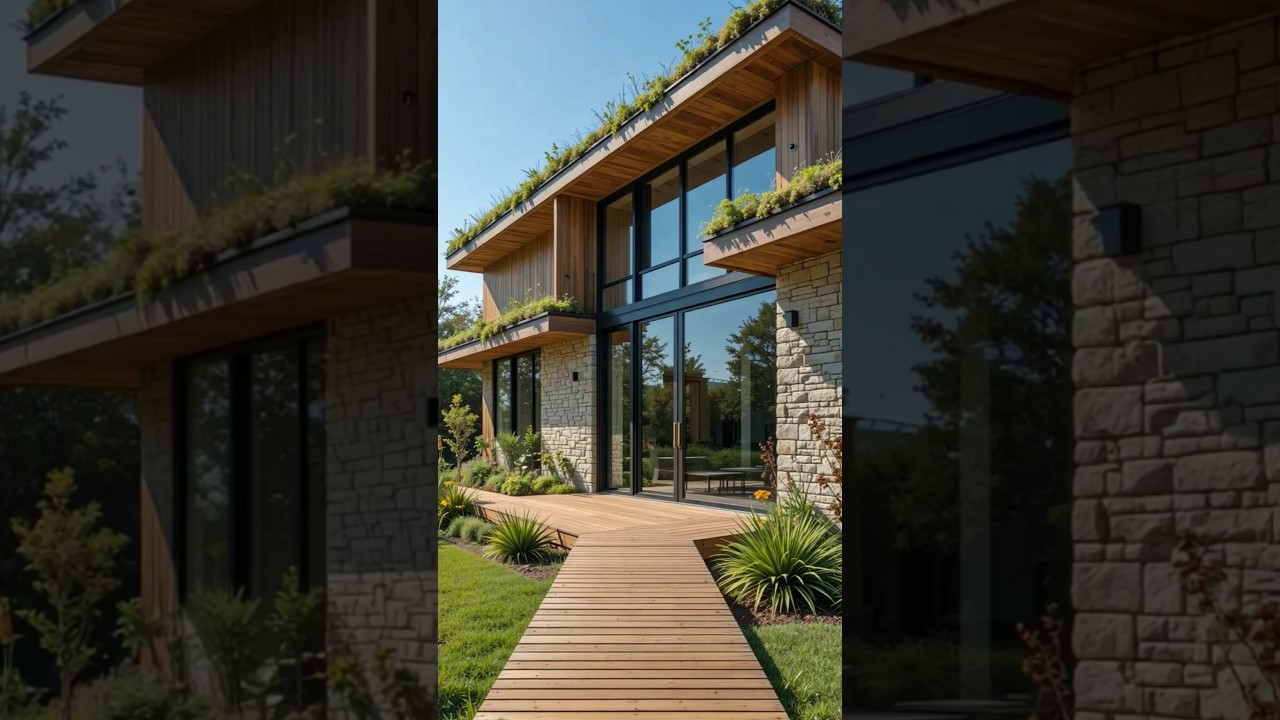
Visual Inspiration

Design Engineering in the Age of Sustainability
Design engineering plays a crucial role in translating green intentions into practical solutions. It ensures that sustainability is baked into the design process—not just added as an afterthought.
Core Practices
- Life Cycle Assessment (LCA): Engineers evaluate environmental impacts from cradle to grave.
- Modular Thinking: Designing systems that can be easily updated or repaired extends product life.
- Cross-Disciplinary Teams: Sustainability efforts thrive when engineers, designers, and researchers collaborate.
We do not inherit the earth from our ancestors, we borrow it from our children. — Native American Proverb
Technology + Sustainability = Scalable Impact
The convergence of design, engineering, and technology is key to achieving scalable sustainability.
- AI for Energy Modeling: Predict and reduce energy consumption in early design stages.
- Blockchain for Supply Chains: Track material sourcing for ethical and sustainable production.
- Robotics in Recycling: Automate sorting to improve recycling accuracy and reduce labor.
Code Example: Dynamic Light Optimization for Sustainable Design
useEffect(() => { const lights = document.querySelectorAll(".light-zone"); lights.forEach((light) => { const ambientLevel = getAmbientSensorValue(); light.style.opacity = ambientLevel > 70 ? 0.3 : 1; });}, []);Case Study: Circular Tech Labs
Circular Tech Labs reimagines electronics with modular components and recyclable shells. By integrating smart diagnostics and eco-friendly materials, they:
- Extend product life by 3x
- Achieve 85% recyclability
- Reduce e-waste by enabling user-repairable designs
Conclusion
Sustainable design is not a luxury—it’s a necessity. By embracing advanced technology and engineering principles, we can build a world that thrives without compromising the future. The most impactful innovation today isn’t just what we can create, but how responsibly we create it.
Questions for Reflection
- How might your current projects be reimagined with sustainability in mind?
- Are you designing for permanence or planned obsolescence?
Further Reading
Change the Video ID J2Dx8628qVU
Magic Inspiration
Looking to stay inspired while designing sustainably? Try “Weightless” by Marconi Union—a soothing soundscape ideal for mindful creation.